Quick Answer: Malayalam has 13 vowels and 36 consonants in its standard modern alphabet, plus 5 chillu letters (pure consonant forms) — totalling 53–56 characters depending on the counting system. The alphabet is called അക്ഷരമാല (Aksharamala) — literally “garland of letters.”
Malayalam letters look ornate and unfamiliar at first — and that is completely normal. The script is one of the most visually distinctive writing systems in the world, with its characteristic rounded curves and flowing loops. But here is the reassuring truth: the Malayalam script is entirely phonetic. Every letter has exactly one sound. There are no silent letters, no irregular spellings, no exceptions. Once you learn the sounds of each letter, you can read anything written in Malayalam — even if you do not understand the meaning yet.
For NRI families, the script is often the missing piece. Children may understand spoken Malayalam at home but cannot read a menu, a festival invitation, or a grandmother’s letter. For heritage speakers reconnecting with the language, learning the script unlocks everything — songs, books, the Ramayana, and WhatsApp messages from relatives. This guide gives you the full picture, from the first vowel to the most complex conjunct letter.
The Story of the Malayalam Script — History & the 1971 Reform
The Malayalam script did not spring fully formed from the earth. It evolved — slowly, over centuries — from the Grantha script, an ancient writing system used across South India to write Sanskrit. The transition from Grantha to a distinctly Malayalam script happened between the 13th and 16th centuries, as the Malayalam language itself was becoming distinct from its parent language, Tamil-Brahmi.
The father of modern Malayalam literature — and in many ways the father of the script itself — is Thunchaththu Ezhuthachan, a 16th-century poet from Tirur in Malappuram. His name literally means “the writer of the lower house” — a humble title that belies his monumental contribution. Ezhuthachan standardised Malayalam orthography through his translations of the Ramayana and Mahabharata, giving the language a literary framework that endured for 400 years. The word ezhuthu (writing/letter) in Malayalam is itself a testament to his legacy.
📖 The 1971 Script Reform — Why Two Scripts Exist
By the mid-20th century, traditional Malayalam script had over 900 unique character combinations — making it virtually impossible to typeset on mechanical printing presses. In 1971, the Kerala government and the Department of Public Instruction introduced a simplified script reform that reduced these combinations dramatically by separating conjunct letters into their component parts.
The result: two coexisting script systems. The reformed script (parishkarana lipi) is used in newspapers, textbooks, and most digital content. The traditional script (samskrutha lipi / grantha lipi) is used in classical literature, religious texts, and by older generations. Both are considered correct. This is why you may see the same word written differently in different contexts — and why some Malayalam fonts look very different from others.
For the modern learner, this history has a practical consequence: start with the reformed script. It is what you will see in 95% of digital content, school textbooks, and everyday reading. Once you are confident with it, classical texts become accessible with a little extra study.
How Many Letters Are in Malayalam?
The answer depends slightly on which system you use — but here is the breakdown every learner needs:
Category
Malayalam Term
Count
Notes
Vowels
സ്വരാക്ഷരങ്ങൾ (Swaraksharangal)
13
The foundation — learn these first.
Consonants
വ്യഞ്ജനാക്ഷരങ്ങൾ (Vyanjanangal)
36
Grouped into 7 families by place of articulation.
Chillu letters
ചില്ലക്ഷരങ്ങൾ (Chillaksharam)
5
Pure consonant endings — appear at word ends.
Anuswara & Visarga
അനുസ്വാരം / വിസർഗം
2
Special modifiers used mainly in Sanskrit words.
Total (standard)
—
53–56
Varies by counting method — 53 is most common in modern textbooks.
There are 13 vowels in Malayalam. They are the first thing to learn — not just because they come first in the alphabet, but because every consonant is modified by a vowel sign. Master the vowels and you have the key to the entire system.
🗣️ Pronunciation Rule: Malayalam strictly distinguishes short and long vowels. Short “a” (അ) and long “aa” (ആ) are completely different sounds — and different words. This is one of the most important distinctions for beginners to practise.
#
Vowel
Transliteration
Sound (English Reference)
Example Word
Meaning
1
അ
a
Short “u” as in “sun”
അമ്മ
Mother (amma)
2
ആ
aa
Long “a” as in “father”
ആന
Elephant (aana)
3
ഇ
i
Short “i” as in “it”
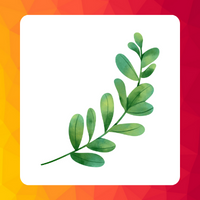
ഇല
Leaf (ila)
4
ഈ
ee
Long “ee” as in “feed”
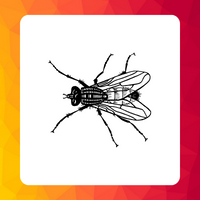
ഈച്ച
Fly (eeacha)
5
ഉ
u
Short “oo” as in “put”
ഉണ്ണി
Baby boy (unni)
6
ഊ
oo
Long “oo” as in “food”
ഊഞ്ഞാൽ
Swing (oojaal)
7
ഋ
ri
Sanskrit “ri” — as in “river” (brief)
ഋഷി
Sage/Rishi (rishi)
8
എ
e
Short “e” as in “bed”
എലി
Rat (eli)
9
ഏ
ey
Long “ay” as in “say”
ഏണി
Ladder (eeni)
10
ഐ
ai
“ai” as in “aisle”
ഐശ്വര്യം
Prosperity (aishwaryam)
11
ഒ
o
Short “o” as in “orange”
ഒട്ടകം
Camel (ottakam)
12
ഓ
oo
Long “oh” as in “go”
ഓന
Onam (ona)
13
ഔ
au
“ow” as in “cow”
ഔഷധം
Medicine (aushadham)
Vowel Signs (Matras) — How They Attach to Consonants
When vowels appear after a consonant, they are written as vowel signs (matras) — small marks attached above, below, before, or after the consonant. This is the most important concept in Malayalam reading. The consonant ക (ka) changes its sound entirely depending on which vowel sign is attached.
Consonant + Sign
Combined Letter
Sound
Example Word
ക (no sign = default “a”)
ക
ka
കടൽ (kadal) — sea
ക + ാ
കാ
kaa
കാടി (kaadi) — forest
ക + ി
കി
ki
കിളി (kili) — bird
ക + ീ
കീ
kee
കീഴ് (keezh) — below
ക + ു
കു
ku
കുട (kuda) — umbrella
ക + ൂ
കൂ
koo
കൂടം (koodam) — cage
ക + െ
കെ
ke
കെടുക (keduka) — to put out
ക + േ
കേ
key
കേൾക്കുക (kelkkuka) — to listen
ക + ൊ
കൊ
ko
കൊക്ക് (kokku) — heron
ക + ോ
കോ
koh
കോഴി (kozhi) — chicken
ക + ൈ
കൈ
kai
കൈ (kai) — hand
💡 Key Insight: Notice that some vowel signs appear before the consonant (like കെ, കൊ) even though they are pronounced after it. This is one of the most common sources of confusion for beginners. The rule is simple: always read the consonant first, regardless of where the vowel sign appears visually.
Learn Malayalam Letters with a Real Teacher
Reading a guide is a great start — but hearing the sounds from a native speaker makes pronunciation click far faster. Decode Malayalam’s structured beginner courses include live script practice sessions with audio guidance.
Malayalam consonants are organised into seven groups based on where and how the sound is produced in the mouth — a classification system inherited from Sanskrit phonology that is thousands of years old. Understanding these groups makes memorisation far easier, because sounds within the same group feel similar in the mouth.
ക-വർഗം · Ka Group (Velar)
ക ഖ ഗ ഘ ങ
ka · kha · ga · gha · nga
ച-വർഗം · Cha Group (Palatal)
ച ഛ ജ ഝ ഞ
cha · chha · ja · jha · nya
ട-വർഗം · Ṭa Group (Retroflex)
ട ഠ ഡ ഢ ണ
ṭa · ṭha · ḍa · ḍha · ṇa
ത-വർഗം · Ta Group (Dental)
ത ഥ ദ ധ ന
tha · thha · dha · dhha · na
പ-വർഗം · Pa Group (Labial)
പ ഫ ബ ഭ മ
pa · pha · ba · bha · ma
Semivowels & Sibilants
യ ര ല വ ശ ഷ സ ഹ
ya · ra · la · va · sha · ṣha · sa · ha
Malayalam-Special Letters ⭐
ള ഴ റ
ḷa (retroflex L) · zha (unique) · ṟa (hard R)
Letter
Transliteration
Sound Description
Example
Meaning
ക
ka
As in “skip”
കടൽ
Sea
ഖ
kha
Aspirated K (breathier)
ഖനി
Mine
ഗ
ga
As in “go”
ഗണപതി
Ganesha
ഘ
gha
Aspirated G
ഘടം
Pot
ങ
nga
“ng” as in “sing” — nasal
ങ
Rare standalone
ച
cha
As in “chair”
ചന്ദ്രൻ
Moon
ഛ
chha
Aspirated CH
ഛത്രം
Umbrella (Sanskrit)
ജ
ja
As in “jump”
ജലം
Water
ഞ
nya
“ny” as in “canyon”
ഞാൻ
I / me
ട
ṭa
Retroflex T — tongue curls back
ടമ്പ
Drum
ണ
ṇa
Retroflex N
കണ്ണ്
Eye
ത
tha
Dental T (softer than English T)
തിരുവനന്തപുരം
Thiruvananthapuram
ദ
dha
Dental D
ദൈവം
God
ന
na
As in “name”
നദി
River
പ
pa
As in “spot”
പൂ
Flower
മ
ma
As in “mother”
മലയാളം
Malayalam
യ
ya
As in “yes”
യാത്ര
Journey
ര
ra
Flapped R (softer)
രാജൻ
King
ല
la
As in “love”
ലോകം
World
വ
va
As in “van”
വീട്
House
ശ
sha
Palatal SH
ശബ്ദം
Sound
ഷ
ṣha
Retroflex SH
ഷഡ്
Six (Sanskrit)
സ
sa
As in “sun”
സ്നേഹം
Love
ഹ
ha
As in “hello”
ഹൃദയം
Heart
The Three Special Letters: ള, ഴ, റ
These three letters are the ones that make Malayalam distinctly Malayalam. They do not exist in most other Indian languages — not in Hindi, not in Bengali, and only partially in Tamil and Kannada. Mastering them is a rite of passage for any learner, and getting them right is what separates a halting beginner from someone who sounds genuinely Keralite.
⭐ The Three Letters That Define Malayalam
ള (ḷa) — Retroflex L: Produced with the tongue curled back to touch the roof of the mouth, then released. It sounds like a deeper, fuller “L” than the English one. Essential word: ആള് (aal) — person.
ഴ (zha) — The Unique Malayalam Sound: This sound does not exist in any other major language. It is produced by curling the tongue back and producing a sound between “L” and “zh” (as in “measure”). It features in some of the most beautiful Malayalam words: കേരളം (Kerala), മഴ (mazha) — rain, ഴ is in all of them. If you master this one sound, native speakers will be genuinely impressed.
റ (ṟa) — The Hard R: A strong, trilled R — much harder than the soft ര (ra). Essential for accurate Malayalam. Example: അറ (ara) — room; മറ (mara) — screen. Confusing ര and റ changes the meaning of words entirely.
Chillu Letters — Pure Consonant Forms
A chillu letter (chillaksharam) is a consonant that carries absolutely no vowel sound — not even the default “a” sound that regular consonants carry. They almost always appear at the end of words, giving the word a clean, vowel-free closing sound.
ൺ chillu-ṇ
ൻ chillu-n
ർ chillu-r
ൽ chillu-l
ൾ chillu-ḷ
Chillu
Sound
Example Word
Meaning
Where It Appears
ൺ
Pure ṇ (no vowel)
കൺ
Eye
End of words
ൻ
Pure n (no vowel)
അവൻ
He
Very common word ending
ർ
Pure r (no vowel)
കാർ
Car / cloud
Very common word ending
ൽ
Pure l (no vowel)
ഫുൾ
Full
Word endings
ൾ
Pure ḷ (retroflex, no vowel)
ആൾ
Person
Very common word ending
Compound & Conjunct Letters (Kootaksharangal)
When two consonants appear together without a vowel between them, they form a conjunct (kootaksharangal). In traditional Malayalam script, these were written as single merged characters — which is why traditional Malayalam had 900+ characters. In the reformed script, they are written more separately but still affect pronunciation. Here are the 20 most common conjuncts every learner should recognise.
Conjunct
Components
Transliteration
Example Word
Meaning
ക്ക
ക് + ക
kka
അക്ക
Elder sister
ന്ന
ന് + ന
nna
കണ്ണ്
Eye
ല്ല
ല് + ല
lla
അല്ല
No / not
മ്മ
മ് + മ
mma
അമ്മ
Mother
ട്ട
ട് + ട
ṭṭa
കട്ടൻ
Strong (coffee)
ത്ത
ത് + ത
ttha
ഒത്ത
Matched / together
ണ്ണ
ണ് + ണ
ṇṇa
കണ്ണ്
Eye
ന്ത
ന് + ത
ntha
സന്തോഷം
Happiness
ങ്ക
ങ് + ക
ngka
ബാങ്ക്
Bank
ഞ്ഞ
ഞ് + ഞ
njnja
ഒഞ്ഞി
A name / boat
ക്ഷ
ക് + ഷ
ksha
അക്ഷരം
Letter / syllable
സ്ക
സ് + ക
ska
സ്കൂൾ
School
ന്റ
ൻ + റ
nṟa
എന്റ
My (spoken form)
പ്ര
പ് + ര
pra
പ്രിയം
Love / dear
ത്ര
ത് + ര
thra
ത്രിശൂർ
Thrissur
ഗ്ര
ഗ് + ര
gra
ഗ്രാമം
Village
ബ്ര
ബ് + ര
bra
ബ്രഹ്മം
Brahman (divine)
ദ്ധ
ദ് + ധ
ddha
ബുദ്ധൻ
Buddha
ജ്ഞ
ജ് + ഞ
jnya
ജ്ഞാനം
Knowledge
ശ്ര
ശ് + ര
shra
ശ്രദ്ധ
Attention
Malayalam vs Tamil vs Kannada Script
For learners who already know Tamil or Kannada, or for heritage speakers whose families use multiple South Indian languages, here is how the scripts compare. This context makes Malayalam letters much easier to situate mentally.
Feature
Malayalam
Tamil
Kannada
Script family
Grantha-derived
Brahmi-derived (distinct)
Kadamba/Grantha-derived
Letter count
53–56
~247 (with combinations)
~52 base letters
Visual style
Round, curved, flowing loops
Angular-round mix
Similar curves to Malayalam
Shared sounds
Most consonants shared with Tamil
No ഴ (zha unique to each)
Most consonants shared
Unique letters
ഴ, ള, റ (unique forms)
ழ, ள, ற (different shapes)
ಳ, ೞ (less common)
Sanskrit integration
Very high — all Sanskrit letters present
Lower — separate Grantha set
High — full Sanskrit support
Note: If you already read Tamil, you will find Malayalam consonant groups familiar in sound — but the shapes are quite different. Kannada and Malayalam are visually more similar to each other than either is to Tamil. Many Kannada letters share obvious visual ancestry with their Malayalam counterparts.
Writing Order & Stroke Tips for Beginners
Malayalam letters are written following a general top-to-bottom, left-to-right stroke order. The characteristic feature of Malayalam handwriting is the circular base stroke — most letters begin with a rounded loop, which is why the script looks so curved compared to, say, Hindi or Kannada.
✏️ Writing Order Principles
1. Start with the base circle/curve. Most Malayalam letters have a looping foundation. Draw this first.
2. Add the vertical or horizontal stroke. This distinguishes similar-looking letters (e.g., ക vs ഗ vs ഖ).
3. Add diacritics last. Vowel signs, anuswara dots, and viramas are always added after the base letter is formed.
4. Leave equal spacing between letters. Unlike English, Malayalam letters do not sit on a baseline — they hang from an invisible top line in printed form, but in handwriting, keep spacing even.
Best practice for NRI children: Use 4-line notebooks (like the ones used in Kerala schools) to practise. The four lines help maintain consistent letter height and placement — crucial for developing good Malayalam handwriting.
7-Day Plan to Learn Malayalam Letters (15 Minutes Daily)
This plan is designed for complete beginners — adults, children, and NRI families learning together. Fifteen minutes a day, consistently applied, will give you confident letter recognition in a week.
Day 1 — Vowels (അ to ഔ)
Learn all 13 vowels with their sounds. Write each 5 times. Practice words: അമ്മ, ആന, ഇല, ഈച്ച, ഉണ്ണി.
Day 2 — Ka Group + Cha Group
ക ഖ ഗ ഘ ങ + ച ഛ ജ ഝ ഞ — 10 letters. Practice words: കടൽ (sea), ജലം (water), ഞാൻ (I).
Day 3 — Ṭa Group + Ta Group
ട ഠ ഡ ഢ ണ + ത ഥ ദ ധ ന — focus on the dental vs retroflex distinction. Practice: കണ്ണ് (eye), ദൈവം (God).
Day 4 — Pa Group + Semivowels
പ ഫ ബ ഭ മ + യ ര ല വ — Practice: അമ്മ (mother), വീട് (house), മലയാളം (Malayalam).
Day 5 — Sibilants + Special Letters
ശ ഷ സ ഹ + ള ഴ റ — Special focus on the three unique Malayalam letters. Practice: കേരളം (Kerala), മഴ (rain).
Day 6 — Chillu Letters + Vowel Signs
Learn all 5 chillu letters and practice them in words. Begin vowel sign combinations with ക.
Day 7 — Reading Practice
Read 10 simple Malayalam words without looking at transliteration. Try: അമ്മ, ആന, കടൽ, ജലം, വീട്, മഴ, ഞാൻ, കേരളം, ദൈവം, സ്നേഹം.
The fastest way to cement vowel learning is to associate each vowel with a real, meaningful word. Here are practice words that every Malayalam speaker knows — perfect for NRI children and adult learners alike.
അമ്മammaMotherഅ · a
ആനaanaElephantആ · aa
ഇലilaLeafഇ · i
ഈർക്കിൾeerkilCoconut stickഈ · ee
ഉണ്ണിunniBaby boyഉ · u
ഊഞ്ഞാൽoojaalSwingഊ · oo
എലിeliRatഎ · e
ഏണിeeniLadderഏ · ey
ഒട്ടകംottakamCamelഒ · o
ഓണംonamOnam festivalഓ · oh
ഐശ്വര്യംaishwaryamProsperityഐ · ai
ഔഷധംaushadhamMedicineഔ · au
Learn to Read & Write Malayalam with Expert Guidance
The script is the foundation — and having a teacher guide your pronunciation from day one means you build correct habits, not incorrect ones that need unlearning later. Decode Malayalam’s structured beginner courses are designed specifically for NRI families and adult learners starting from scratch.
The standard modern Malayalam alphabet has 13 vowels and 36 consonants, plus 5 chillu letters (pure consonant forms), totalling 53–56 characters depending on whether you count special modifiers. Some textbooks say 54, others 56 — the variation comes from whether chillu letters and the Sanskrit-specific anuswara/visarga are included in the count.
❓ Is Malayalam hard to learn?
The script looks complex, but it is fully phonetic — every letter represents exactly one sound, with no exceptions. For complete beginners, the script typically takes 2–4 weeks of daily practice to read confidently. The harder part for most learners is pronunciation — particularly the three unique letters ള, ഴ, and റ. With structured instruction and audio guidance, most adult learners achieve basic reading fluency within a month.
❓ What is Aksharamala in Malayalam?
അക്ഷരമാല (Aksharamala) literally means “garland of letters” — akshara = letter/syllable, maala = garland. It is the Malayalam term for the complete alphabet. In Kerala schools, children learn the Aksharamala through chanting — a melodic recitation of all vowels and consonants in order, which is still the primary method of alphabet instruction today.
❓ What is the difference between ര (ra) and റ (ṟa) in Malayalam?
ര (ra) is a soft, flapped R — similar to the R in Spanish “pero.” റ (ṟa) is a hard, tapped or trilled R — produced with a stronger, more forceful tongue movement. They are completely different sounds and different letters. Confusing them changes the meaning of words: ഇര (ira) means “prey” while ഇറ (iṟa) means “come down.” Both letters are extremely common in everyday Malayalam.
❓ Why does the Malayalam alphabet have so many characters — sometimes 900+?
Traditional Malayalam script had over 900 unique characters because every combination of consonants was written as a single merged symbol (conjunct). The 1971 script reform simplified this by breaking conjuncts into their component parts, reducing the effective character set to around 53–60 base forms. However, many traditional fonts and classical texts still use the full set of conjunct characters, which is why you may see very different-looking Malayalam in old books compared to modern digital text.
❓ How long does it take to learn the Malayalam alphabet?
With 15 minutes of daily practice, most beginners can recognise all basic vowels and consonants in 7–14 days. Reading simple words confidently takes about 3–4 weeks. Reading full sentences smoothly typically takes 1–3 months depending on how consistently you practice. The key is daily exposure — even 10 minutes of reading practice each day compounds rapidly.
❓ What is the sound “ഴ” (zha) in Malayalam?
The ഴ (zha) sound is one of the most distinctive sounds in any language — and it is uniquely associated with Malayalam (and to some extent Tamil). It is a retroflex lateral approximant: the tongue curls back and produces a sound between “L” and “zh” (like the “s” in “measure”). It appears in the very word Kerala (കേരളം) — the “ḷ” sound in Kerala is a related retroflex sound. The best way to learn it is to hear a native speaker say words like mazha (rain) and kazha (to pass) repeatedly, then imitate.
❓ Should I learn the traditional script or the reformed script?
For modern learners, start with the reformed script (1971 version) — it is what you will see in 95% of newspapers, textbooks, websites, and digital content in Kerala today. The traditional script is worth learning later if you want to read classical literature, old religious texts, or traditional calligraphy. Many Decode Malayalam learners find that once they are confident with the reformed script, recognising traditional forms comes naturally.
Continue Your Malayalam Journey
The script is your key that opens everything else. Once you can read Malayalam letters, every vocabulary guide, every song lyric, every recipe card, and every family message becomes accessible. Here is where to go next: