
Spoken Malayalam for real life
100 Daily Malayalam Sentences for Beginners: English Meaning, Audio and Real Situations
These 100 Malayalam conversation sentences help beginners handle greetings, family conversations, meals, shopping, travel, work and urgent situations. Every example includes Malayalam script, easy transliteration, English meaning and a note explaining when to use it.
Five Malayalam sentence patterns beginners can reuse
I want …
എനിക്ക് … വേണം
enikku … venam
Where is …?
… എവിടെയാണ്?
… evideyaanu?
Do you have …?
… ഉണ്ടോ?
… undo?
I like …
എനിക്ക് … ഇഷ്ടമാണ്
enikku … ishtamaanu
Can you …?
… ചെയ്യാമോ?
… cheyyaamo?
Today I will …
ഞാൻ ഇന്ന് … ചെയ്യും
njaan innu … cheyyum
Pronunciation note: Transliteration is only an approximate aid. Listen carefully to Malayalam sounds such as ഴ, ള, റ and the difference between dental and retroflex consonants. If you want to read the script, use the Malayalam Aksharamala guide.
Greetings and polite expressions
Sentences 1–10
Listen at slow and natural speed.
| # | English meaning | Malayalam sentence | Say it like | When to use it |
|---|---|---|---|---|
| 1 | Hello / greetings | നമസ്കാരം | namaskaaram | A respectful all-purpose greeting. |
| 2 | How are you? | സുഖമാണോ? | sukhamaano? | Natural with friends and family; add നിങ്ങൾക്ക് for extra respect. |
| 3 | I am fine. | എനിക്ക് സുഖമാണ്. | enikku sukhamaanu. | A simple reply to സുഖമാണോ? |
| 4 | Thank you. | നന്ദി. | nandi. | Useful in formal and informal situations. |
| 5 | Thank you very much. | വളരെ നന്ദി. | valare nandi. | Use when you want to show extra gratitude. |
| 6 | Please. | ദയവായി. | dayavaayi. | Often used in polite or formal requests. |
| 7 | Sorry. | ക്ഷമിക്കണം. | kshamikkanam. | Also used for “excuse me”. |
| 8 | Yes. | അതെ. | athe. | Polite affirmative response. |
| 9 | No. | ഇല്ല. | illa. | Common negative response. |
| 10 | Good night. | ശുഭ രാത്രി. | shubha raathri. | A polite night-time wish. |
Introductions and family
Sentences 11–20
Listen at slow and natural speed.
| # | English meaning | Malayalam sentence | Say it like | When to use it |
|---|---|---|---|---|
| 11 | What is your name? | നിങ്ങളുടെ പേര് എന്താണ്? | ningalude peru enthaanu? | Respectful form. |
| 12 | My name is Maya. | എന്റെ പേര് മായ എന്നാണ്. | ente peru Maya ennaanu. | Replace Maya with your name. |
| 13 | Where are you from? | നിങ്ങൾ എവിടെ നിന്നാണ്? | ningal evide ninnaanu? | Ask about someone’s place of origin. |
| 14 | I am from Chennai. | ഞാൻ ചെന്നൈയിൽ നിന്നാണ്. | njaan Chennaiyil ninnaanu. | Replace Chennai with your city. |
| 15 | This is my mother. | ഇത് എന്റെ അമ്മയാണ്. | ithu ente ammayaanu. | Use while introducing family. |
| 16 | He is my father. | അദ്ദേഹം എന്റെ അച്ഛനാണ്. | addeham ente achchanaanu. | അദ്ദേഹം is respectful “he”. |
| 17 | I have one younger sister. | എനിക്ക് ഒരു അനിയത്തി ഉണ്ട്. | enikku oru aniyathi undu. | A natural family-description pattern. |
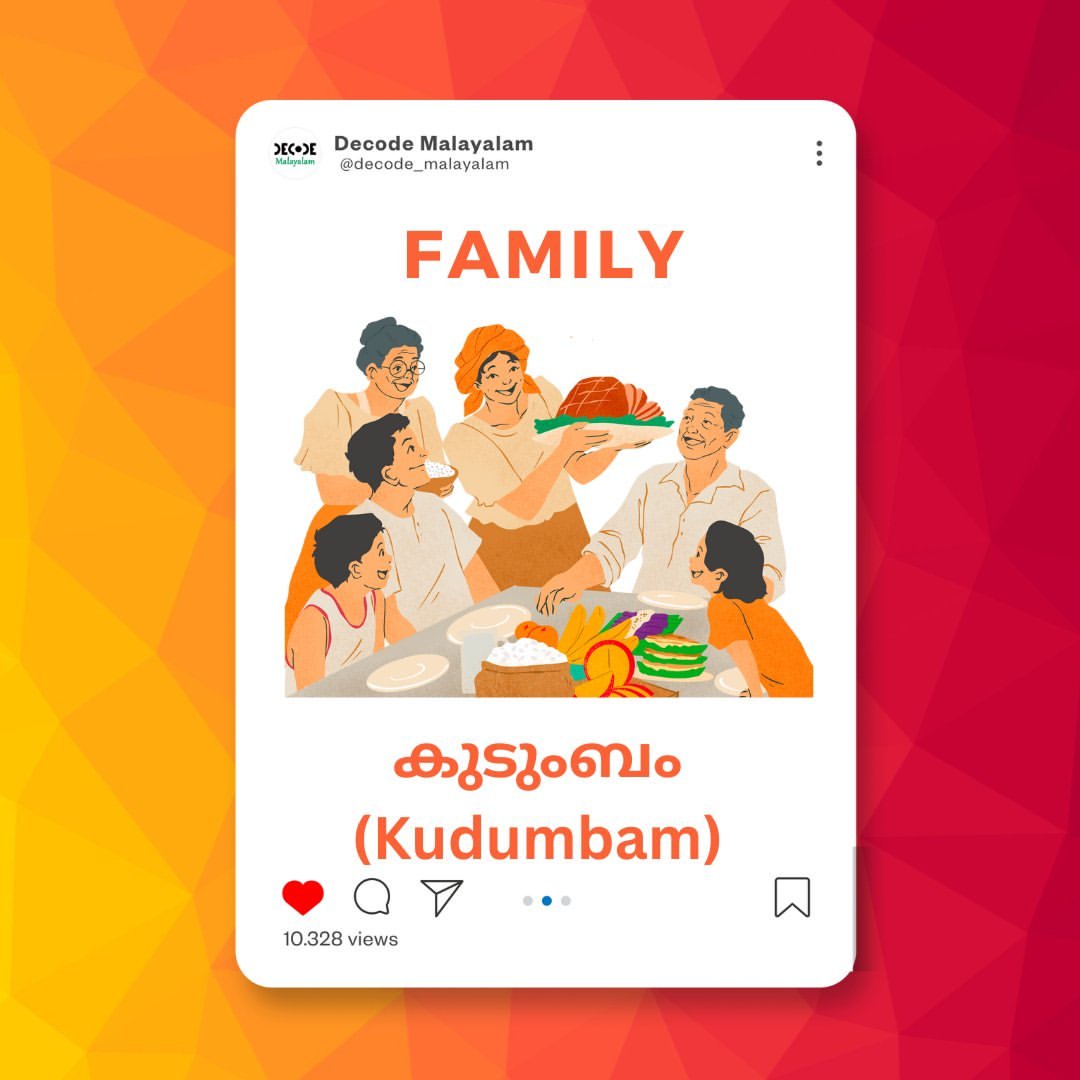
| 18 | My family lives in Kerala. | എന്റെ കുടുംബം കേരളത്തിലാണ് താമസിക്കുന്നത്. | ente kudumbam Keralathilaanu thaamasikkunnathu. | Use താമസിക്കുക for residing. |
| 19 | Nice to meet you. | നിങ്ങളെ കണ്ടതിൽ സന്തോഷം. | ningale kandathil santhosham. | Literally: happiness in meeting you. |
| 20 | Do you speak English? | നിങ്ങൾ ഇംഗ്ലീഷ് സംസാരിക്കുമോ? | ningal English samsaarikkumo? | Replace English with another language. |
At home and daily routine
Sentences 21–30
Listen at slow and natural speed.
| # | English meaning | Malayalam sentence | Say it like | When to use it |
|---|---|---|---|---|
| 21 | Please come inside. | അകത്തേക്ക് വരൂ. | akathtekku varoo. | A welcoming instruction. |
| 22 | Please sit here. | ഇവിടെ ഇരിക്കൂ. | ivide irikkoo. | Common at home or when receiving guests. |
| 23 | Open the door. | വാതിൽ തുറക്കൂ. | vaathil thurakkoo. | Direct but normal within family. |
| 24 | Close the window. | ജനൽ അടയ്ക്കൂ. | janal adaykkoo. | Use for a simple instruction. |
| 25 | I wake up early. | ഞാൻ നേരത്തെ എഴുന്നേൽക്കും. | njaan nerathe ezhunnelkkum. | Describes a regular habit. |
| 26 | I am going to take a bath. | ഞാൻ കുളിക്കാൻ പോകുന്നു. | njaan kulikkaan pokunnu. | Natural daily-routine sentence. |
| 27 | The children are going to school. | കുട്ടികൾ സ്കൂളിലേക്ക് പോകുന്നു. | kuttikal schoolilekku pokunnu. | -ലേക്ക് expresses movement toward. |
| 28 | I will return in the evening. | ഞാൻ വൈകുന്നേരം തിരികെ വരും. | njaan vaikunneram thirike varum. | Future plan. |
| 29 | Where is my phone? | എന്റെ ഫോൺ എവിടെയാണ്? | ente phone evideyaanu? | Replace phone with any object. |
| 30 | I am going to sleep now. | ഞാൻ ഇപ്പോൾ ഉറങ്ങാൻ പോകുന്നു. | njaan ippol urangaan pokunnu. | Useful at bedtime. |
Food and drinks
Sentences 31–40
Listen at slow and natural speed.
| # | English meaning | Malayalam sentence | Say it like | When to use it |
|---|---|---|---|---|
| 31 | I want water. | എനിക്ക് വെള്ളം വേണം. | enikku vellam venam. | One of the most useful beginner patterns. |
| 32 | Would you like tea? | നിങ്ങൾക്ക് ചായ വേണോ? | ningalkku chaaya veno? | Polite everyday offer. |
| 33 | I do not want coffee. | എനിക്ക് കാപ്പി വേണ്ട. | enikku kaappi venda. | Negative of the വേണം pattern. |
| 34 | The food is ready. | ഭക്ഷണം തയ്യാറാണ്. | bhakshanam thayyaaraanu. | Common at mealtime. |
| 35 | I am hungry. | എനിക്ക് വിശക്കുന്നു. | enikku vishakkunnu. | Natural spoken expression. |
| 36 | I am thirsty. | എനിക്ക് ദാഹിക്കുന്നു. | enikku daahikkunnu. | A standard expression. |
| 37 | This food is very tasty. | ഈ ഭക്ഷണം വളരെ രുചികരമാണ്. | ee bhakshanam valare ruchikaramaanu. | A useful compliment. |
| 38 | I would like less spice. | കാരം കുറച്ച് മതി. | kaaram kurachu mathi. | Useful while ordering food. |
| 39 | I like fish curry. | എനിക്ക് മീൻകറി ഇഷ്ടമാണ്. | enikku meenkari ishtamaanu. | Replace fish curry with another item. |
| 40 | Please give me some more rice. | കുറച്ചുകൂടി ചോറ് തരൂ. | kurachukoodi choru tharoo. | Common family mealtime request. |
Questions and requests
Sentences 41–50
Listen at slow and natural speed.
| # | English meaning | Malayalam sentence | Say it like | When to use it |
|---|---|---|---|---|
| 41 | What is this? | ഇത് എന്താണ്? | ithu enthaanu? | Point to an object while asking. |
| 42 | Who is that? | അത് ആരാണ്? | athu aaraanu? | Ask about a person. |
| 43 | Where are you going? | നിങ്ങൾ എവിടേക്കാണ് പോകുന്നത്? | ningal evidekkaanu pokunnathu? | Respectful present question. |
| 44 | When will you come? | നിങ്ങൾ എപ്പോൾ വരും? | ningal eppol varum? | Ask about future arrival. |
| 45 | Why are you late? | നിങ്ങൾ എന്തുകൊണ്ടാണ് വൈകിയത്? | ningal enthukondaanu vaikiyathu? | Respectful form. |
| 46 | How can I do this? | ഇത് എങ്ങനെ ചെയ്യാം? | ithu engane cheyyaam? | Useful while learning a task. |
| 47 | Please say it again. | ദയവായി വീണ്ടും പറയൂ. | dayavaayi veendum parayoo. | Essential for language learners. |
| 48 | Please speak slowly. | പതുക്കെ സംസാരിക്കൂ. | pathukke samsaarikkoo. | Ask a speaker to slow down. |
| 49 | Can you help me? | എന്നെ സഹായിക്കാമോ? | enne sahaayikkaamo? | Polite request. |
| 50 | Please wait for a minute. | ഒരു മിനിറ്റ് കാത്തിരിക്കൂ. | oru minute kaathirikkoo. | Useful in person or by phone. |
Shopping and money
Sentences 51–60
Listen at slow and natural speed.
| # | English meaning | Malayalam sentence | Say it like | When to use it |
|---|---|---|---|---|
| 51 | How much does this cost? | ഇതിന് എത്രയാണ് വില? | ithinu ethrayaanu vila? | Point to the item while asking. |
| 52 | This is very expensive. | ഇതിന് വളരെ വില കൂടുതലാണ്. | ithinu valare vila kooduthalaanu. | A price reaction. |
| 53 | Can you reduce the price? | കുറച്ച് വില കുറയ്ക്കാമോ? | kurachu vila kuraykkaamo? | A polite bargaining question. |
| 54 | I want this. | എനിക്ക് ഇത് വേണം. | enikku ithu venam. | Basic purchasing sentence. |
| 55 | I do not want that. | എനിക്ക് അത് വേണ്ട. | enikku athu venda. | Simple refusal. |
| 56 | Please give me one kilo of tomatoes. | ഒരു കിലോ തക്കാളി തരൂ. | oru kilo thakkaali tharoo. | Market request. |
| 57 | Is another colour available? | വേറെ നിറം ഉണ്ടോ? | vere niram undo? | Useful for clothes or products. |
| 58 | Do you have a bigger size? | വലിയ സൈസ് ഉണ്ടോ? | valiya size undo? | Common shopping phrase. |
| 59 | Can I pay by card? | കാർഡ് ഉപയോഗിച്ച് പണം നൽകാമോ? | card upayogichu panam nalkaamo? | Payment question. |
| 60 | Please give me the receipt. | രസീത് തരൂ. | receipt tharoo. | Ask after payment. |
Travel and directions
Sentences 61–70
Listen at slow and natural speed.
| # | English meaning | Malayalam sentence | Say it like | When to use it |
|---|---|---|---|---|
| 61 | Where is the bus station? | ബസ് സ്റ്റാൻഡ് എവിടെയാണ്? | bus stand evideyaanu? | Basic direction question. |
| 62 | When will the train arrive? | ട്രെയിൻ എപ്പോൾ വരും? | train eppol varum? | Travel-time question. |
| 63 | Does this bus go to Kochi? | ഈ ബസ് കൊച്ചിയിലേക്ക് പോകുമോ? | ee bus Kochiyilekku pokumo? | Replace Kochi with your destination. |
| 64 | I need one ticket. | എനിക്ക് ഒരു ടിക്കറ്റ് വേണം. | enikku oru ticket venam. | Ticket-counter sentence. |
| 65 | Please stop here. | ഇവിടെ നിർത്തൂ. | ivide nirthoo. | Useful in a taxi or autorickshaw. |
| 66 | Go straight. | നേരെ പോകൂ. | nere pokoo. | Direction instruction. |
| 67 | Turn left. | ഇടത്തോട്ട് തിരിയൂ. | idathottu thiriyoo. | Direction instruction. |
| 68 | Turn right. | വലത്തോട്ട് തിരിയൂ. | valathottu thiriyoo. | Direction instruction. |
| 69 | How far is it from here? | ഇവിടെ നിന്ന് എത്ര ദൂരമാണ്? | ivide ninnu ethra dooramaanu? | Ask about distance. |
| 70 | We are lost. | ഞങ്ങൾക്ക് വഴി തെറ്റി. | njangalkku vazhi thetti. | Ask for help if you lose the route. |
Work and study
Sentences 71–80
Listen at slow and natural speed.
| # | English meaning | Malayalam sentence | Say it like | When to use it |
|---|---|---|---|---|
| 71 | I am working today. | ഞാൻ ഇന്ന് ജോലി ചെയ്യുന്നു. | njaan innu joli cheyyunnu. | Present situation. |
| 72 | There is a meeting today. | ഇന്ന് ഒരു മീറ്റിംഗ് ഉണ്ട്. | innu oru meeting undu. | Workplace sentence. |
| 73 | Did you finish the work? | ജോലി പൂർത്തിയാക്കിയോ? | joli poorthiyaakkiyo? | Check task completion. |
| 74 | I sent the email. | ഞാൻ ഇമെയിൽ അയച്ചു. | njaan email ayachu. | Past-tense statement. |
| 75 | I did not understand this. | എനിക്ക് ഇത് മനസ്സിലായില്ല. | enikku ithu manassilaayilla. | Important learner sentence. |
| 76 | Please explain. | ദയവായി വിശദീകരിക്കൂ. | dayavaayi vishadeekarikkoo. | Polite request for clarification. |
| 77 | What is today’s lesson? | ഇന്ന് ഏത് പാഠമാണ്? | innu ethu paadamaanu? | Classroom question. |
| 78 | I am learning Malayalam. | ഞാൻ മലയാളം പഠിക്കുന്നു. | njaan malayalam padhikkunnu. | Useful self-description. |
| 79 | Please write this word. | ഈ വാക്ക് എഴുതൂ. | ee vaakku ezhuthoo. | Classroom instruction. |
| 80 | Let us practise again tomorrow. | നാളെ വീണ്ടും പരിശീലിക്കാം. | naale veendum parisheelikkaam. | Plan the next practice. |
Health and urgent needs
Sentences 81–90
Listen at slow and natural speed.
| # | English meaning | Malayalam sentence | Say it like | When to use it |
|---|---|---|---|---|
| 81 | I am not feeling well. | എനിക്ക് സുഖമില്ല. | enikku sukhamilla. | General health statement. |
| 82 | I have a headache. | എനിക്ക് തലവേദനയുണ്ട്. | enikku thalavedanayundu. | Describe a symptom. |
| 83 | I have a fever. | എനിക്ക് പനിയുണ്ട്. | enikku paniyundu. | Describe a symptom. |
| 84 | Where is the hospital? | ആശുപത്രി എവിടെയാണ്? | aashupathri evideyaanu? | Urgent direction question. |
| 85 | I need a doctor. | എനിക്ക് ഒരു ഡോക്ടറെ വേണം. | enikku oru doctor-e venam. | Ask for medical help. |
| 86 | Please call an ambulance. | ദയവായി ആംബുലൻസ് വിളിക്കൂ. | dayavaayi ambulance vilikkoo. | Emergency request. |
| 87 | Where is the pain? | വേദന എവിടെയാണ്? | vedana evideyaanu? | Question used when helping someone. |
| 88 | Are you feeling better now? | ഇപ്പോൾ സുഖമാണോ? | ippol sukhamaano? | Check on someone. |
| 89 | Please take some rest. | കുറച്ച് വിശ്രമിക്കൂ. | kurachu vishramikkoo. | Supportive suggestion. |
| 90 | Please contact my family. | ദയവായി എന്റെ കുടുംബത്തെ ബന്ധപ്പെടൂ. | dayavaayi ente kudumbathe bandhappedoo. | Emergency contact request. |
Social conversations and plans
Sentences 91–100
Listen at slow and natural speed.
| # | English meaning | Malayalam sentence | Say it like | When to use it |
|---|---|---|---|---|
| 91 | What are you doing today? | നിങ്ങൾ ഇന്ന് എന്താണ് ചെയ്യുന്നത്? | ningal innu enthaanu cheyyunnathu? | Ask about someone’s day. |
| 92 | I am free this evening. | ഇന്ന് വൈകുന്നേരം എനിക്ക് ഒഴിവാണ്. | innu vaikunneram enikku ozhivaanu. | Share availability. |
| 93 | Shall we go together? | നമുക്ക് ഒരുമിച്ച് പോകാമോ? | namukku orumichu pokaamo? | Suggest a shared plan. |
| 94 | Please come to our house. | ഞങ്ങളുടെ വീട്ടിലേക്ക് വരൂ. | njangalude veettilekku varoo. | Friendly invitation. |
| 95 | I will call you later. | ഞാൻ പിന്നീട് വിളിക്കാം. | njaan pinneedu vilikkaam. | Phone conversation phrase. |
| 96 | I am a little busy now. | ഞാൻ ഇപ്പോൾ കുറച്ച് തിരക്കിലാണ്. | njaan ippol kurachu thirakkilaanu. | Politely explain availability. |
| 97 | Send me a message. | എനിക്ക് ഒരു സന്ദേശം അയയ്ക്കൂ. | enikku oru sandesham ayaykkoo. | Phone or online request. |
| 98 | The weather is nice today. | ഇന്ന് കാലാവസ്ഥ നല്ലതാണ്. | innu kaalaavastha nallathaanu. | Small-talk sentence. |
| 99 | See you again. | വീണ്ടും കാണാം. | veendum kaanaam. | Natural farewell. |
| 100 | See you tomorrow. | നാളെ കാണാം. | naale kaanaam. | End a conversation with a plan. |
How to practise these sentences
- Choose one situation rather than all 100 sentences.
- Listen without reading and identify the rhythm.
- Repeat one short sentence three times.
- Cover the Malayalam column and recall it from the English meaning.
- Replace one noun, place or time with information from your life.
- Record a short role-play and ask a fluent speaker for feedback.
For the underlying word order, continue with the Malayalam basic grammar guide or the structured Learn Malayalam through English guide.
Download the 100-sentence practice workbook
The printable workbook should include sentence recall, role-play cards, substitution exercises and a ten-day speaking tracker.
Download the free workbookContinue learning Malayalam
Frequently asked questions
What Malayalam conversation sentences should beginners learn first?
How do you say “I do not understand Malayalam”?
Can I learn spoken Malayalam without reading the script?
What is the basic Malayalam sentence order?
How should I practise Malayalam conversation alone?
Are these sentences formal or informal?
How long does it take to hold a basic Malayalam conversation?

About the author
Jobin MJ
Jobin MJ is the founder and pedagogy specialist at Decode Malayalam. He develops practical resources for beginners who want to use Malayalam confidently in everyday situations.