

How to Learn Malayalam Easily: A Step-by-Step Plan for Beginners
Use this practical study plan to build Malayalam pronunciation, vocabulary, grammar, listening, speaking, reading and writing skills without feeling overwhelmed.
Reviewed for language clarity and updated on .
Whether you are connecting with family, moving to Kerala, speaking with friends or exploring Malayalam culture, the easiest learning path is one you can follow consistently. The eight steps below combine structured learning with real conversation practice.
Table of contents
- Why learning Malayalam is worthwhile
- How to Learn Malayalam Easily: Step-by-Step Guide
- 1. Familiarize Yourself with the Malayalam Alphabet
- 2. Learn the Pronunciation and Sounds
- 3. Start with Basic Vocabulary
- 4. Master the Basics of Malayalam Grammar
- 5. Learn Malayalam Through Media and Immersion
- 6. Engage with Malayalam-Speaking Communities
- 7. Use Technology to Speed Up Learning
- 8. Consistency is Key
- Conclusion and next step
Why Learning Malayalam Is Worthwhile
Malayalam, the language of Kerala, is known for its unique script, melodious tone, and rich cultural heritage. There are many reasons to learn Malayalam:
- Cultural Access: Understanding Malayalam opens doors to Kerala’s art, music, literature, and cinema, enhancing your overall cultural experience.
- Professional Opportunities: Malayalam can improve your job prospects in Kerala or among Malayali communities globally, especially in industries like tourism, healthcare, and education.
- Cognitive Benefits: Learning a new language enhances cognitive skills like memory, problem-solving, and adaptability, making it a fulfilling intellectual challenge.
- Personal Connection: Knowing Malayalam helps you connect with native speakers on a deeper level, fostering friendships and professional relationships.
The goal is not instant fluency. It is steady progress toward understanding and using Malayalam in situations that matter to you.
How to Learn Malayalam Easily: Step-by-Step Guide
Learning Malayalam can be simplified with the right approach. Here’s a practical, step-by-step guide on how to learn Malayalam for beginners:
1. Familiarize Yourself with the Malayalam Alphabet
Malayalam uses independent vowels, consonants, vowel signs and combined forms. Different teaching resources count the inventory differently, so focus first on the letters and signs used most often rather than memorising a disputed total.
Tips for Learning the Alphabet
- Start with Vowels and Consonants: Begin by familiarizing yourself with the vowels (swarangal) and consonants (vyanjanangal). These form the foundation of the language.
- Practice Writing: Writing the letters repeatedly helps reinforce memorization.
- Use Decode Malayalam: Check our “Malayalam Aksharamala” which help you visualize and pronounce each letter correctly.
Example vowels: “a” (അ), “i” (ഇ), “u” (ഉ).
Example consonants: “ka” (ക), “cha” (ച), “na” (ന).
Regular practice will ensure that you’re comfortable reading and writing in Malayalam.
2. Learn the Pronunciation and Sounds
Malayalam has a distinctive set of phonetic sounds that make the language unique. The language has soft and flowing sounds, which contribute to its melodious tone. Pay attention to how words are pronounced to sound more authentic.
How to Improve Your Pronunciation
- Listen and Repeat: Use audio resources, such as Malayalam podcasts or YouTube videos, to hear the correct pronunciation.
- Record Yourself: Listen to yourself speaking Malayalam and compare it with native speakers to check for accuracy.
- Practice with Native Speakers: Engaging with native Malayalam speakers will give you real-time feedback.
Read more: Mastering Malayalam Pronunciation: A Comprehensive Guide
3. Start with Basic Vocabulary
Once you’re familiar with the alphabet and pronunciation, it’s time to build your vocabulary. Start with words that are commonly used in everyday conversations. This will allow you to communicate basic ideas from the outset.
Essential Categories to Learn
- Greetings: “Namaskaram” (Hello), “Shubha divasam” (Good day)
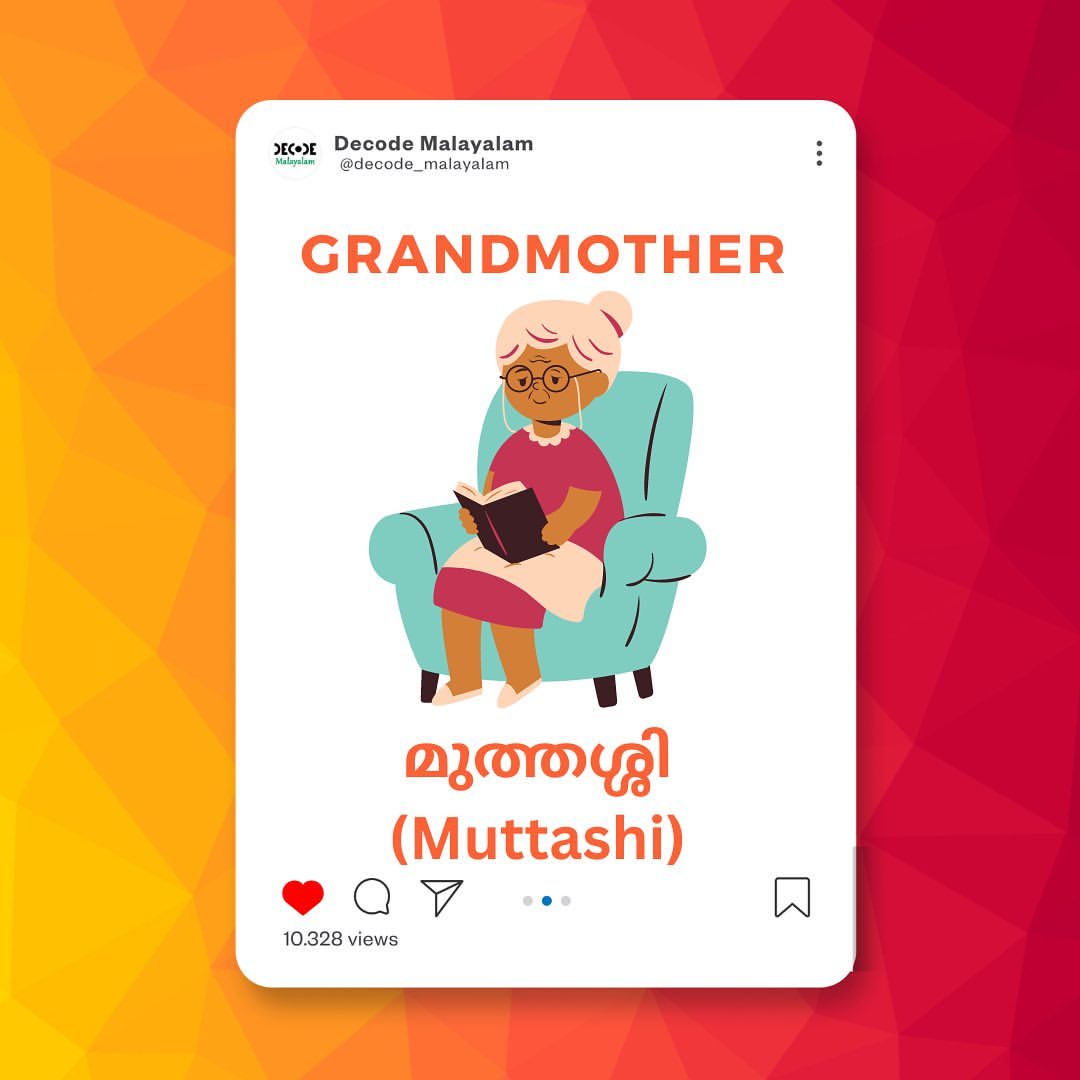
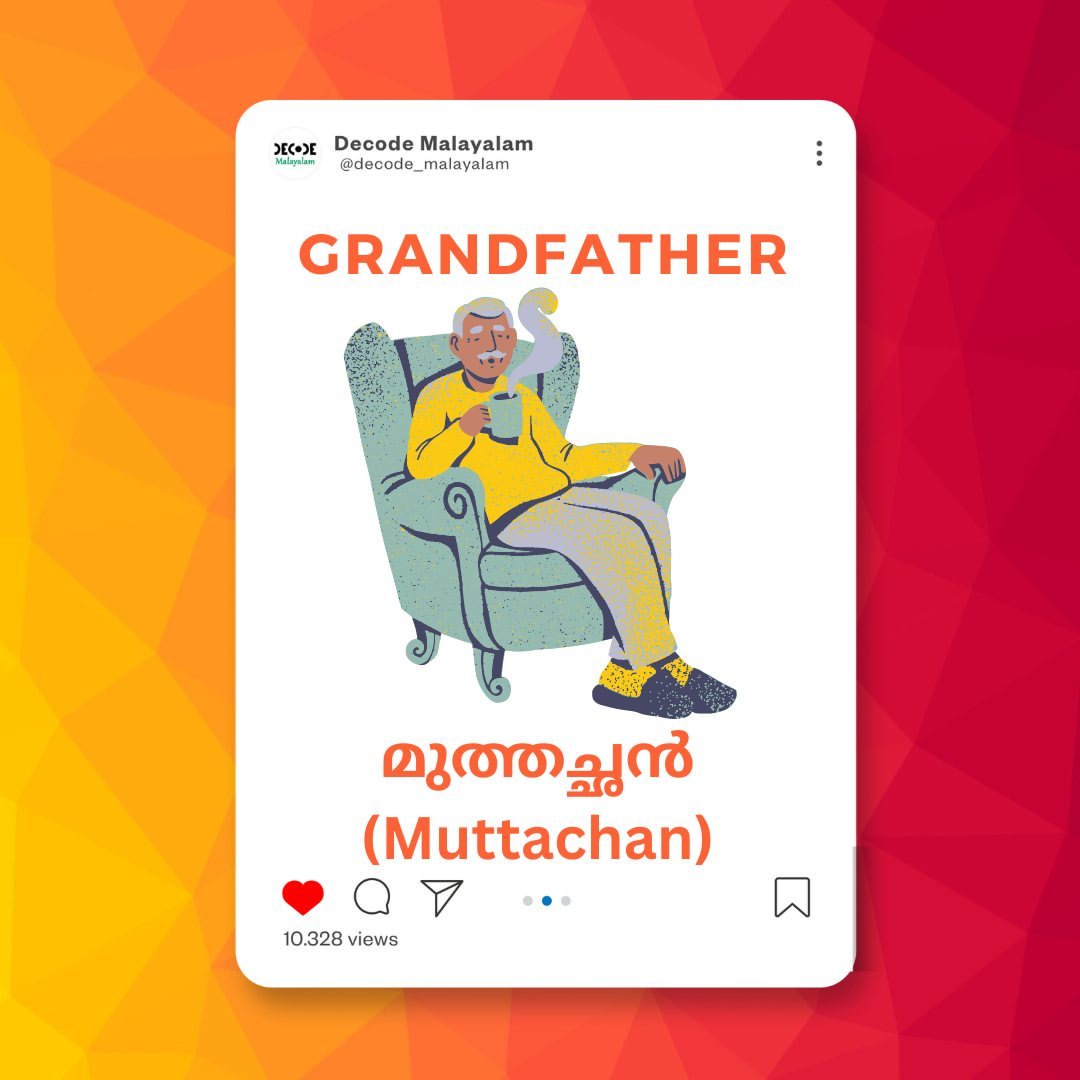
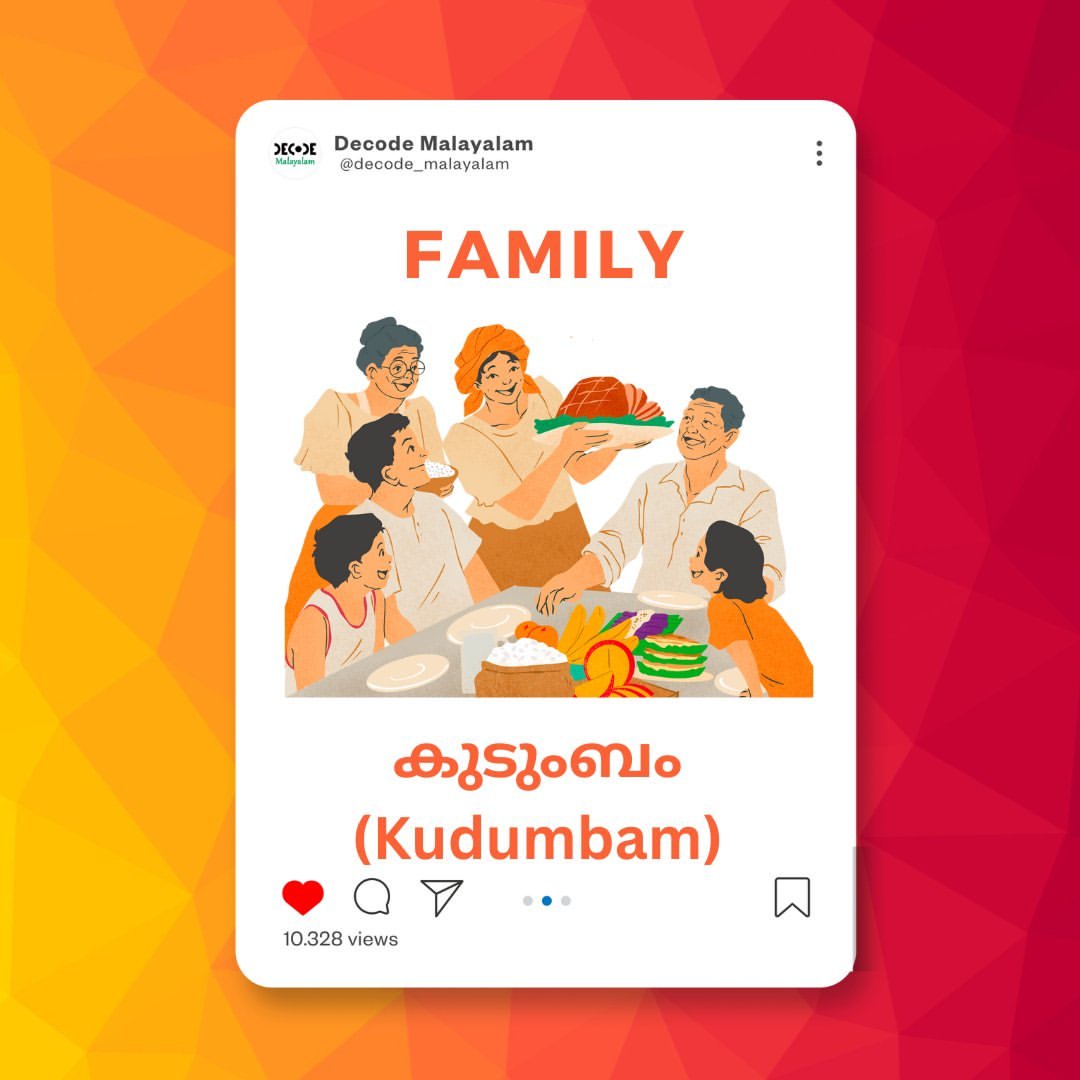
- Family: “Amma” (mother), “Achhan” (father), “Chechi” (older sister)
- Numbers: “Onnu” (One), “Randu” (Two), “Moonu” (Three)
- Common phrases: “Ente peru [name] aanu” (My name is [name]), “Ningalude peru enthaanu?” (What is your name?)

4. Master the Basics of Malayalam Grammar
Now that you know some basic words and sounds, the next step is to understand Malayalam grammar. This will help you structure sentences correctly, which is essential for effective communication.
Key Grammar Tips for Beginners
- Sentence Structure: Malayalam generally follows a Subject-Object-Verb (SOV) structure. For example, “Njan pusthakam vaayikkunnu” (I read a book).
- Verb forms: Malayalam verbs change for tense, aspect, mood and politeness, but generally do not agree with the subject’s person or gender. Begin with useful present, past and future forms:
- Present: “Njan kazhikkunnu” (I eat)
- Past: “Njan kazhichu” (I ate)
- Future: “Njan kazhikkum” (I will eat)
- Case endings and postpositions: Malayalam often places relational elements after the noun. For example, pusthakathinu mukalil means “on top of the book.”
5. Learn Malayalam Through Media and Immersion
The best way to learn Malayalam quickly and naturally is through immersion. Surround yourself with Malayalam media, and practice listening and speaking regularly.
How to Use Media for Learning
- Movies and television: Choose scenes with clear, everyday dialogue, replay a short segment and compare it with subtitles. Films alone are not a structured beginner course, so use them mainly for listening practice.
- Music and Songs: Listening to Malayalam songs helps in familiarizing yourself with the rhythm and tone of the language.
- Podcasts and Audiobooks: These can improve both listening skills and vocabulary. You can listen while commuting or doing household chores.
6. Engage with Malayalam-Speaking Communities
One of the quickest ways to learn Malayalam is through real-world interaction. Join Malayalam-speaking communities online or offline to practice speaking regularly.
Ways to Engage with Native Speakers
- Language Exchange: Use language exchange platforms where you can connect with native Malayalam speakers. Practice speaking and get real-time corrections.
- Social Media and Forums: Join Facebook groups, WhatsApp groups, or forums where Malayalam is spoken. Engage in conversations, share experiences, and ask questions.
- Classes and Tutors: If you prefer structured learning, consider enrolling in language classes or hiring a tutor. A personalized approach helps you progress faster.
7. Use Technology to Speed Up Learning
In today’s digital age, learning Malayalam can be made easier with a range of online tools. Apps, websites, and online courses are all designed to make language learning more accessible.
Useful Apps for Learning Malayalam
- Decode Malayalam: Use structured online lessons and one-to-one speaking guidance that match your level and learning goal.
8. Consistency is Key
Consistency is the cornerstone of learning any language, including Malayalam. The more consistent your practice, the faster you will learn. Set aside time each day to practice speaking, writing, and listening to Malayalam.
Tips for Staying Consistent
- Set Daily Goals: Aim to learn a specific number of words or phrases each day.
- Track Your Progress: Use a language journal to monitor your improvements in vocabulary, grammar, and fluency.
- Practice Daily: Even if it’s just for 15-20 minutes a day, consistent practice makes a big difference.
Conclusion: Your Next Step
Learning Malayalam might seem challenging at first, but with the right approach, resources, and practice, you can learn the language quickly and naturally. Whether you’re starting as a beginner or looking to improve your fluency, following these steps will help you progress effectively.
How can you learn Malayalam faster? Define a practical goal, practise daily, listen actively, speak from the beginning and get regular correction. Avoid promises of mastering the language “in no time”; sustainable fluency develops through repeated, meaningful use.
A Simple Four-Week Malayalam Starter Plan
Practise greetings, introductions, requests and the Malayalam sounds that are unfamiliar to you.
Learn useful words for family, food, numbers, places and daily routines, then recall them without looking.
Build short subject–object–verb sentences and practise common present, past and future verb forms.
Hold short conversations, review recordings, note recurring mistakes and get feedback from a fluent speaker.
Frequently Asked Questions
How long does it take to learn Malayalam?
The timeline depends on your goal, first language, exposure and practice. Basic everyday exchanges can develop sooner than reading, writing or fluent spontaneous conversation. Measure progress by tasks you can perform rather than a fixed number of days.
Is Malayalam difficult for beginners?
Malayalam has unfamiliar sounds, a distinct script and rich word forms, so some parts take time. A step-by-step approach that separates speaking, listening and script practice makes the process manageable.
Should I learn spoken Malayalam or the script first?
If conversation is your priority, start speaking and listening immediately while adding the script gradually. If reading is essential for your goal, give the script more time from the beginning. You do not need to postpone speaking until you know every letter.
Can I learn Malayalam by watching movies?
Movies help with listening, rhythm and cultural context, but they are not a complete course. Use short scenes with subtitles and combine them with vocabulary study, sentence practice and feedback.
What should a Malayalam beginner learn first?
Begin with greetings, introductions, question words, numbers and phrases connected to your daily needs. At the same time, practise core Malayalam sounds and a few reusable sentence patterns.
How can I practise Malayalam every day?
Use a short routine: five minutes of listening, five minutes of recall and five minutes of speaking. Review old material regularly and use one new phrase in a real or simulated conversation.

About the Author
Jobin MJ
Founder & Pedagogy Specialist, Decode Malayalam
Jobin MJ is a language educator focused on helping beginners learn practical Malayalam through clear explanations, structured lessons and guided speaking practice.