

A practical heritage-language routine
How to Teach Malayalam to Kids Abroad: A 30-Day Plan for NRI Parents
Wondering how to teach Malayalam to kids abroad when school, friends and entertainment happen mostly in English or another local language? This realistic plan helps NRI families create a short, positive Malayalam routine without turning home into another classroom.
Can a child raised abroad really learn Malayalam?
Yes. Being surrounded by another language does not prevent a child from learning Malayalam, but Malayalam needs a meaningful and recurring place in family life. A child may understand grandparents but answer in English, recognise only a few home words, or start with no Malayalam at all. Each child needs a different first step.
Home-language maintenance works best when children experience the language as valued, useful and connected to relationships—not as a test of identity. Vanderbilt University’s IRIS Center also highlights the connection between valuing a child’s home language and positive identity development. Read the educational reference.
A 30-day plan is a starting system, not a fluency promise. Its purpose is to create a repeatable routine, expand usable vocabulary and help the child speak with less hesitation.
First, identify your child’s Malayalam level
Level A: Starting from zero
Begin with objects, actions, pictures and five-word sets. Avoid long Malayalam explanations.
Level B: Understands but replies in English
Use choices, sentence starters and predictable questions instead of demanding complete replies.
Level C: Speaks but cannot read
Use familiar spoken words to introduce letters, syllables and short labels.
Use the free Malayalam level test or make a simple Day 1 recording before choosing a pathway.
The 15-minute Malayalam routine for busy NRI families
Review yesterday’s words, introduce one useful sentence pattern, use it in a game or real routine, and finish by sending a voice note or saying the phrase to another family member.
Greetings, requests, actions and praise phrases.
Adjust Malayalam teaching by age
Ages 3–5
Use songs, toys, movement, pointing and five-minute bursts. Tracing should feel like drawing.
Ages 6–9
Use picture cards, games, short stories, labels and role-play. Add small reading goals.
Ages 10–15
Let the child choose goals connected to relatives, travel, films, food or identity. Avoid babyish materials.
30-day plan to teach Malayalam to kids abroad
Complete one activity each day. If the child is tired or resistant, repeat an enjoyable earlier activity rather than rushing forward.
| Day | Focus | Parent activity | Small success to look for |
|---|---|---|---|
| Day 1 | Baseline and motivation | Record a relaxed one-minute conversation and choose one useful Malayalam goal. | Save the recording and agree on the goal. |
| Day 2 | Greetings | Practise നമസ്കാരം, സുഖമാണോ and എനിക്ക് സുഖമാണ് through a toy conversation. | Complete a three-line greeting. |
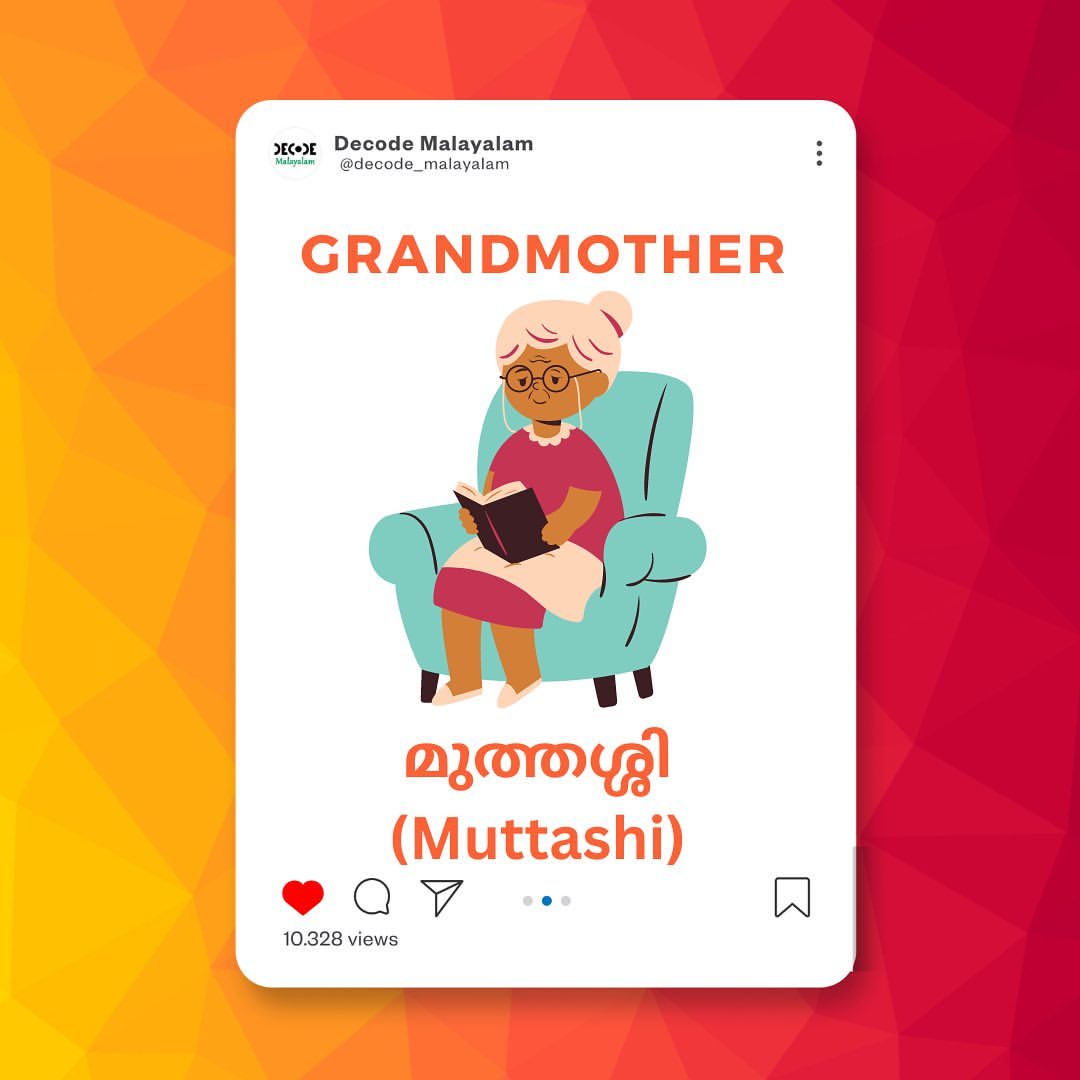
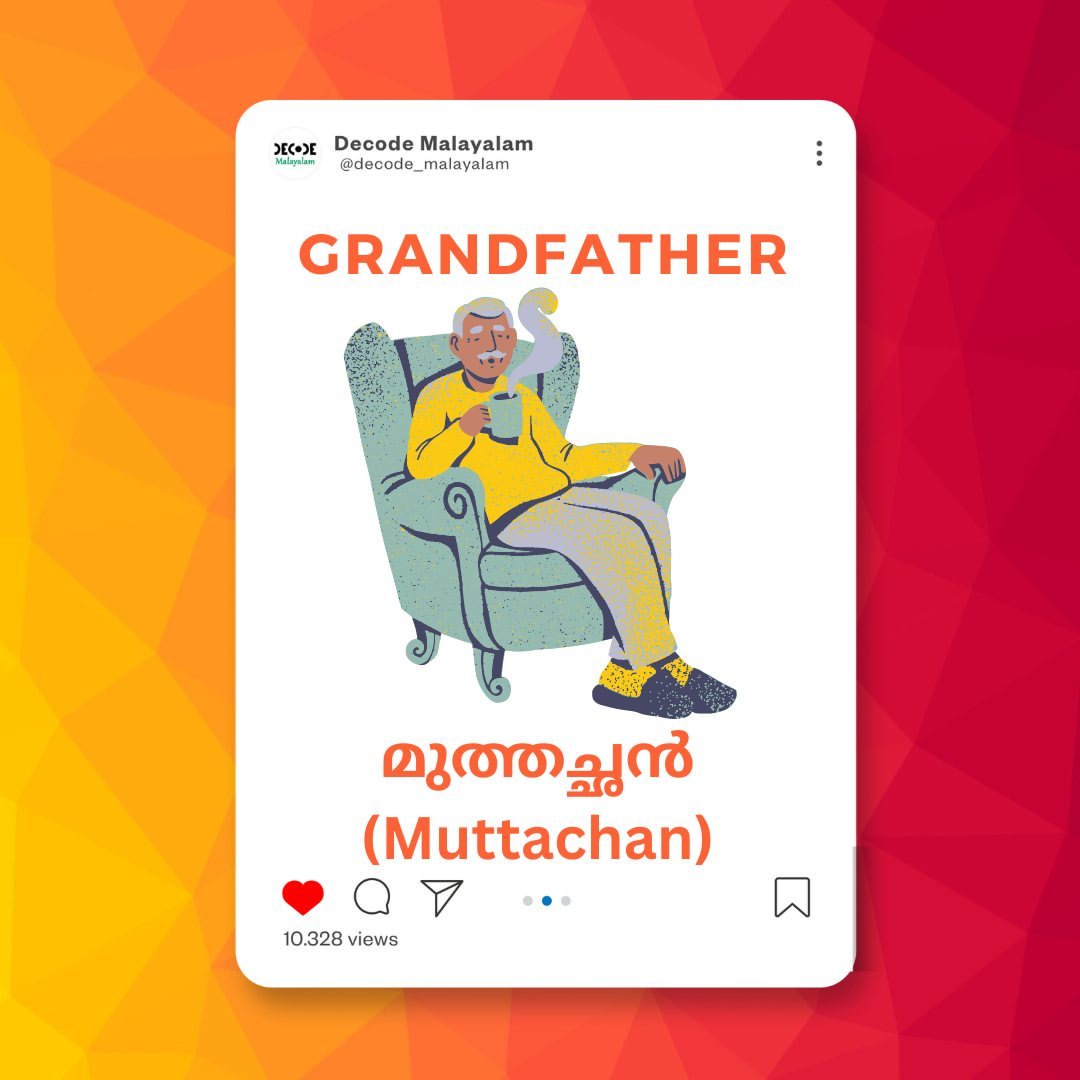
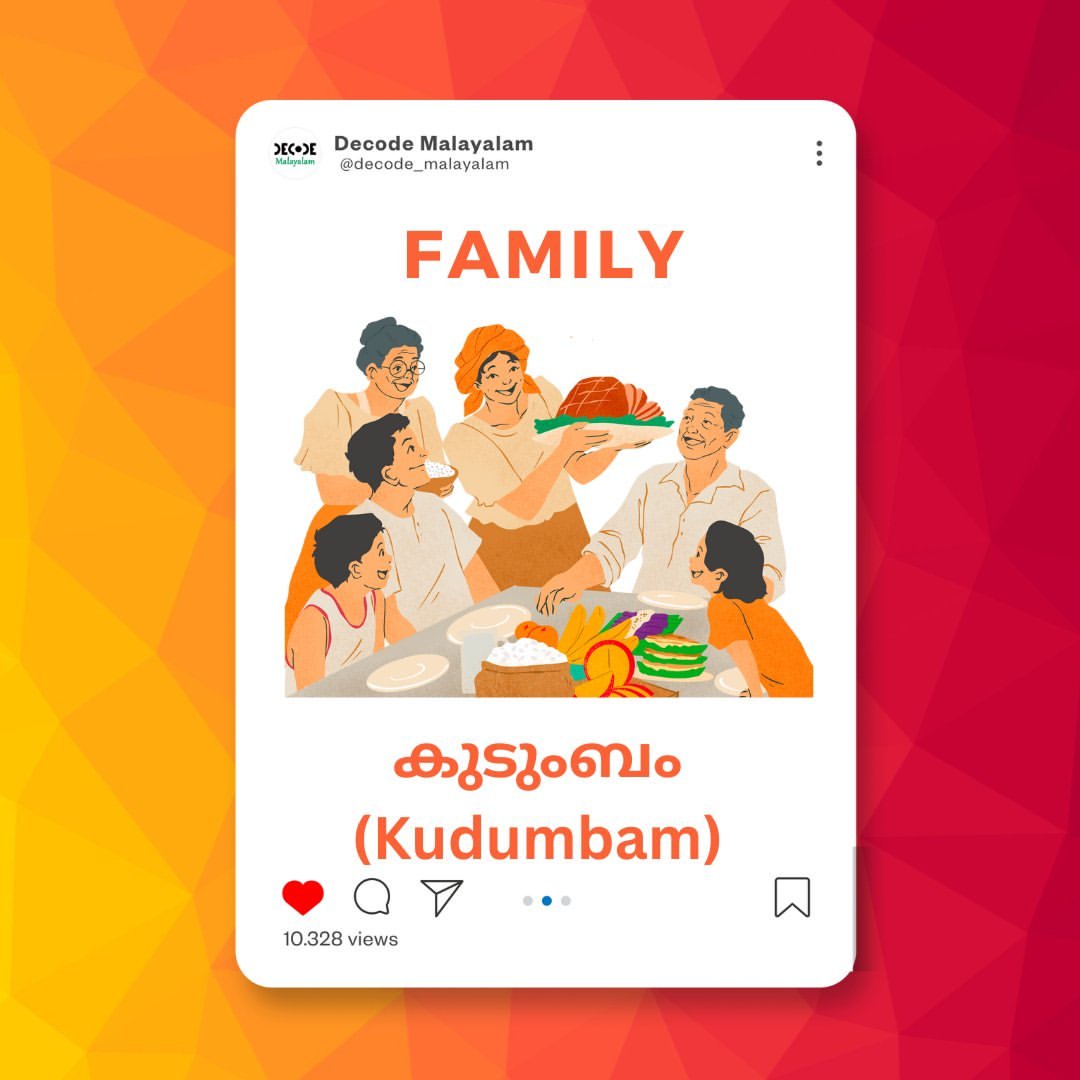
| Day 3 | Family words | Use photographs to name അമ്മ, അച്ഛൻ, അമ്മൂമ്മ, അപ്പൂപ്പൻ, ചേട്ടൻ and ചേച്ചി. | Name four relatives in Malayalam. |
| Day 4 | Home objects | Label വീട്, വാതിൽ, ജനൽ, മേശ and കസേര. | Point to the correct object when it is named. |
| Day 5 | Food and drink | Use വെള്ളം, പാൽ, ചോറ്, പഴം and ഭക്ഷണം during a real meal. | Say എനിക്ക് വെള്ളം വേണം. |
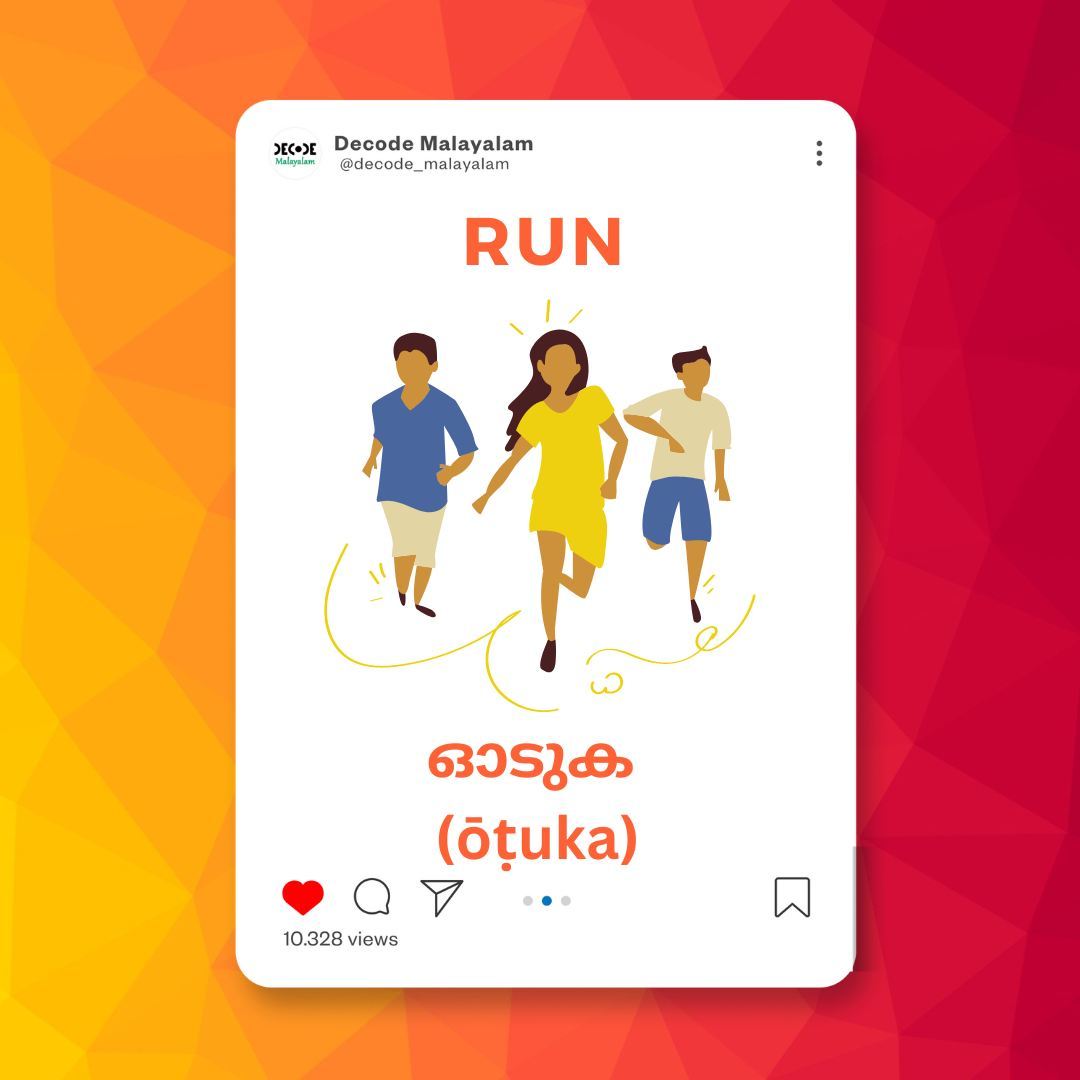
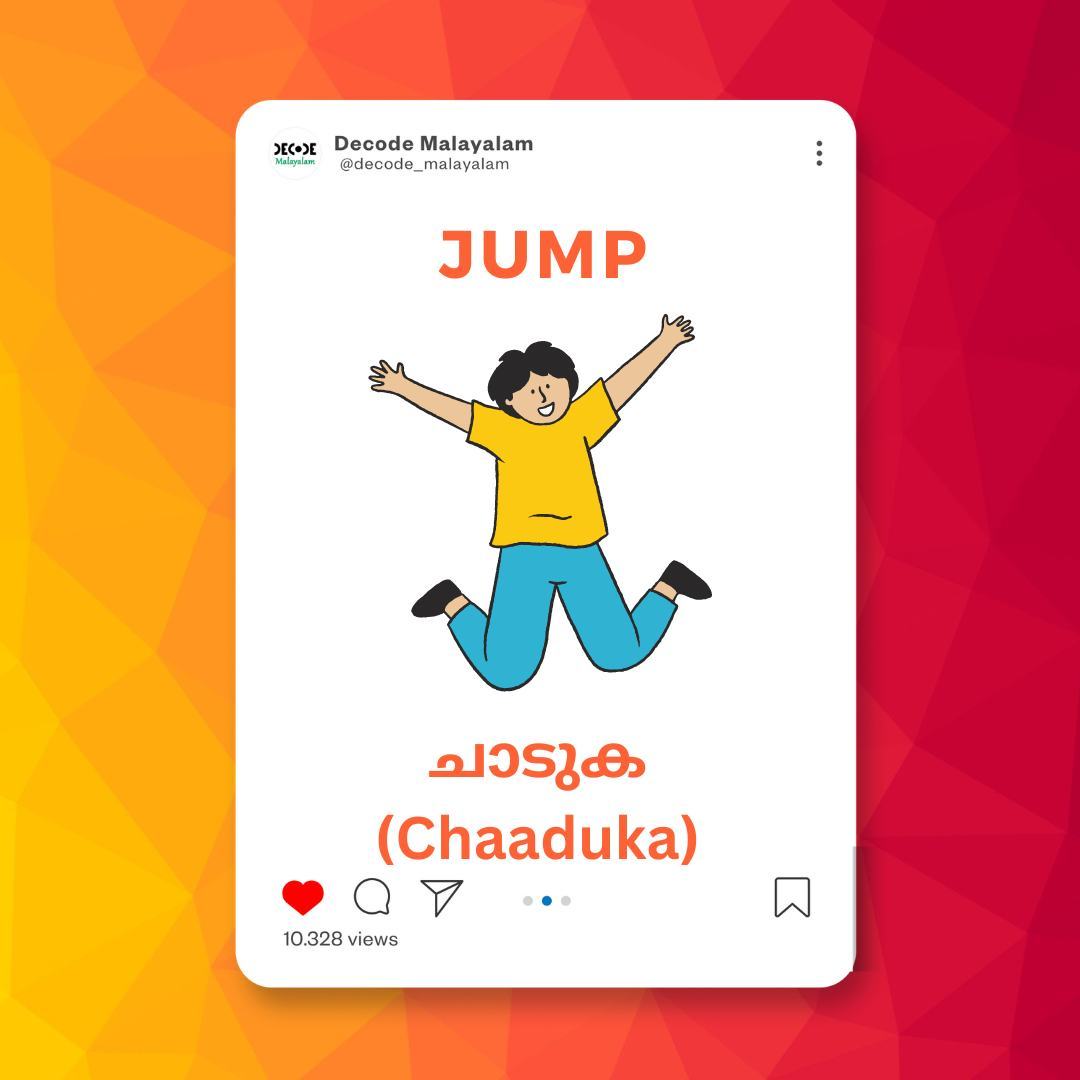
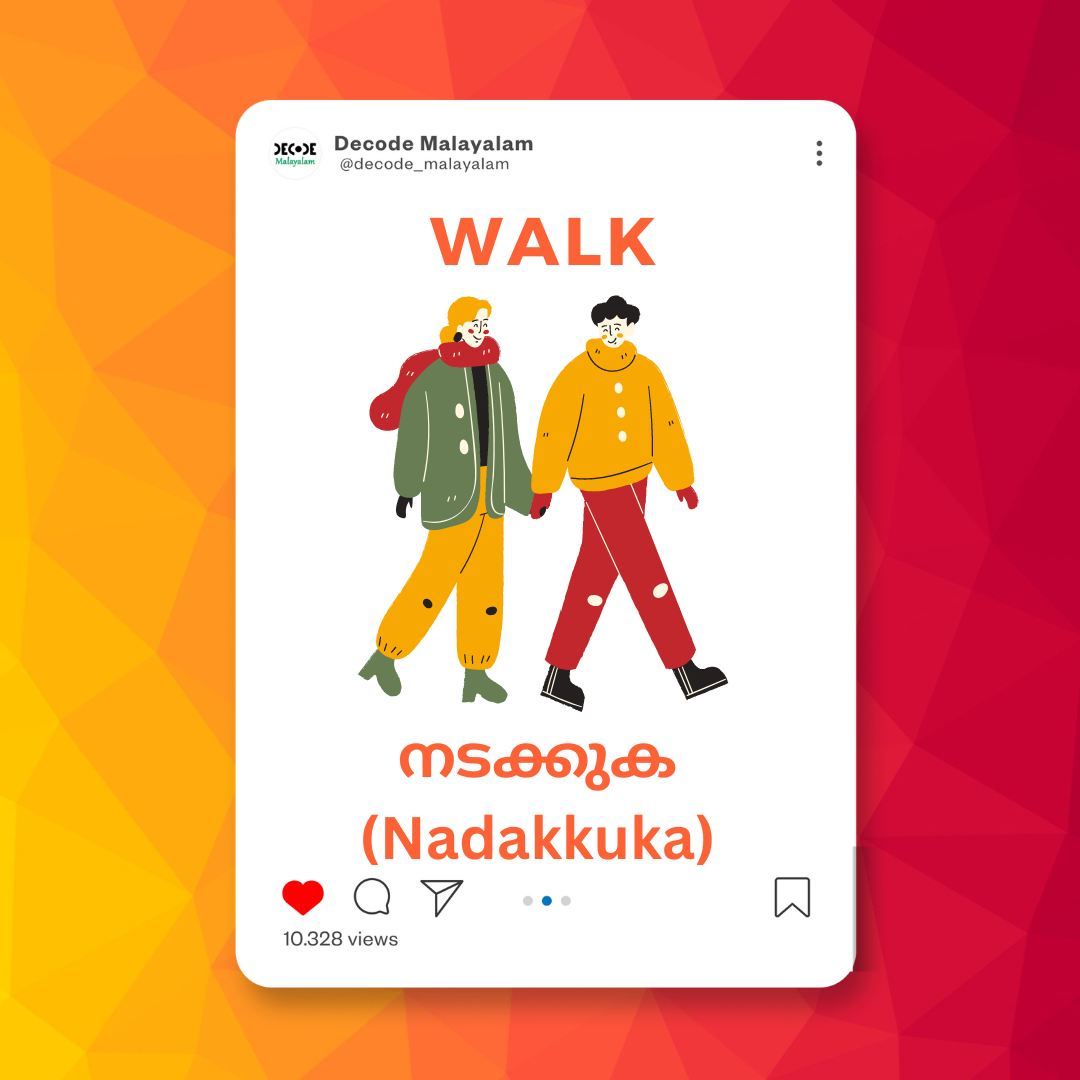
| Day 6 | Action commands | Play a movement game with വരൂ, ഇരിക്കൂ, നിൽക്കൂ, പോകൂ and എടുക്കൂ. | Follow and give three instructions. |
| Day 7 | Week-one review | Mix the week’s words in a picture hunt and send a grandparent voice note. | Use ten words without looking. |
| Day 8 | Want and do not want | Model എനിക്ക് … വേണം and എനിക്ക് … വേണ്ട with toys, snacks or colours. | Make two wants and one refusal. |
| Day 9 | Likes and dislikes | Use എനിക്ക് … ഇഷ്ടമാണ് and എനിക്ക് … ഇഷ്ടമല്ല with foods and games. | Describe three preferences. |
| Day 10 | What and where | Hide objects and ask ഇത് എന്താണ്? and … എവിടെയാണ്? | Ask and answer two questions. |
| Day 11 | Numbers and colours | Count household objects from one to ten and sort them by colour. | Say five numbers and four colours. |
| Day 12 | Daily routine | Narrate waking, eating, school, playing and sleeping with pictures. | Sequence four routine actions. |
| Day 13 | Feelings | Practise സന്തോഷം, ദുഃഖം, ദേഷ്യം, പേടി and ക്ഷീണം with faces. | Say എനിക്ക് സന്തോഷമാണ്. |
| Day 14 | Story and review | Read or retell a short Malayalam picture story and pause for familiar words. | Recognise 20–25 learned words. |
| Day 15 | Self-introduction | Build name, age, location and school sentences one line at a time. | Give a four-line introduction. |
| Day 16 | Describe the family | Use names, relationships and one describing word for each person. | Say three connected sentences. |
| Day 17 | Mealtime conversation | Keep five minutes of one meal in Malayalam using requests and preferences. | Request, answer and thank. |
| Day 18 | School conversation | Talk about class, teacher, friends, books and a favourite subject. | Answer സ്കൂൾ എങ്ങനെയുണ്ട്? |
| Day 19 | Play conversation | Use എന്റെ ഊഴം and നിന്റെ ഊഴം during a game. | Play for five minutes with Malayalam cues. |
| Day 20 | Grandparent connection | Prepare three questions before a voice or video call. | Sustain a supported two-minute exchange. |
| Day 21 | Malayalam-only routine | Choose one predictable ten-minute routine such as snack or bedtime. | Stay with Malayalam for the agreed routine. |
| Day 22 | Vowel awareness | Introduce five high-frequency vowel letters through known words. | Match five letters with sounds or words. |
| Day 23 | Consonant awareness | Introduce one consonant group using tracing and sound play. | Recognise and trace five consonants. |
| Day 24 | Read the child’s name | Break the child’s Malayalam name into letters or syllables and trace it. | Recognise or copy their name. |
| Day 25 | Read household labels | Choose five labels from previously learned spoken vocabulary. | Read or identify three labels. |
| Day 26 | Song or rhyme | Learn one short Malayalam song or rhyme with actions. | Perform one verse confidently. |
| Day 27 | Kerala story and culture | Share a family story about Kerala, a festival, food or hometown. | Retell three details. |
| Day 28 | Real-life role-play | Role-play visiting relatives, shopping or ordering food. | Complete a three-minute role-play. |
| Day 29 | Assessment rehearsal | Repeat the Day 1 prompts without correcting during the recording. | Notice what now comes naturally. |
| Day 30 | Record and continue | Make the final recording, compare it with Day 1 and celebrate effort. | Choose the next 30-day goal. |
Measure progress without pressuring your child
Use the same relaxed prompts on Day 1 and Day 30. Do not score accent or compare siblings. Look for functional changes:
Recordings provide better evidence of progress than a long vocabulary test.
Seven mistakes NRI parents should avoid
- Correcting every error: model the correct form without stopping the conversation.
- Using shame or comparison: never question the child’s identity because Malayalam is difficult.
- Starting with heavy grammar: teach useful phrases before terminology.
- Expecting one parent to do everything: involve relatives, teachers and appropriate media.
- Teaching too many words: three to five usable words beat twenty forgotten words.
- Depending only on transliteration: introduce the Malayalam script gradually.
- Having no consistent context: attach Malayalam to one daily routine first.
Resources for the 30-day plan
- Use the age-wise Malayalam words for kids for Days 3–14.
- Use Malayalam conversation phrases for sentence practice.
- Introduce reading with the Malayalam Aksharamala guide.
- Read whether a child born abroad can learn Malayalam.
Download the 30-day NRI parent pack
The printable pack should contain a daily tracker, starter-word cards, family prompts and a Day 1/Day 30 assessment sheet.
Download the 30-day planDownload conversation cardsFrequently asked questions
How can I teach Malayalam to my child abroad?
What if my child understands Malayalam but answers in English?
Should we speak only Malayalam at home?
Should children learn speaking or Malayalam letters first?
Can parents teach Malayalam if they are not fully fluent?
What should I do if my child refuses to learn Malayalam?
Can a child become fluent in Malayalam in 30 days?

About the author
Jobin MJ
Jobin MJ is the founder and pedagogy specialist at Decode Malayalam. He develops practical learning resources for children, NRI families and beginners building confidence in Malayalam.